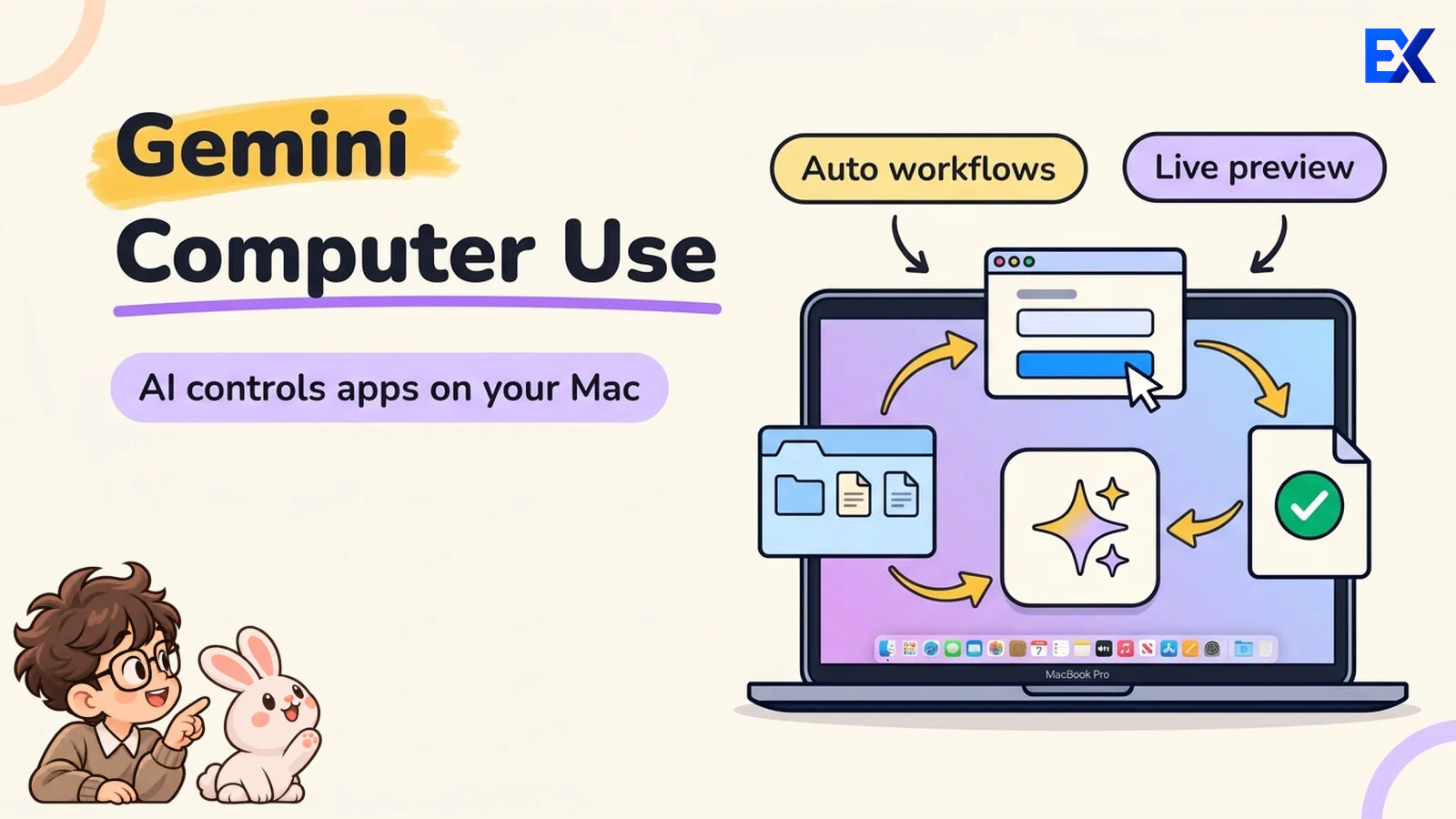
Complete guide to Gemini Computer Use for Mac (Nov 19, 2026): how @Computer use works in an isolated virtual window, Apple Silicon & macOS Sequoia requirements, permissions, backups, 7 agent risks, and rollout availability.
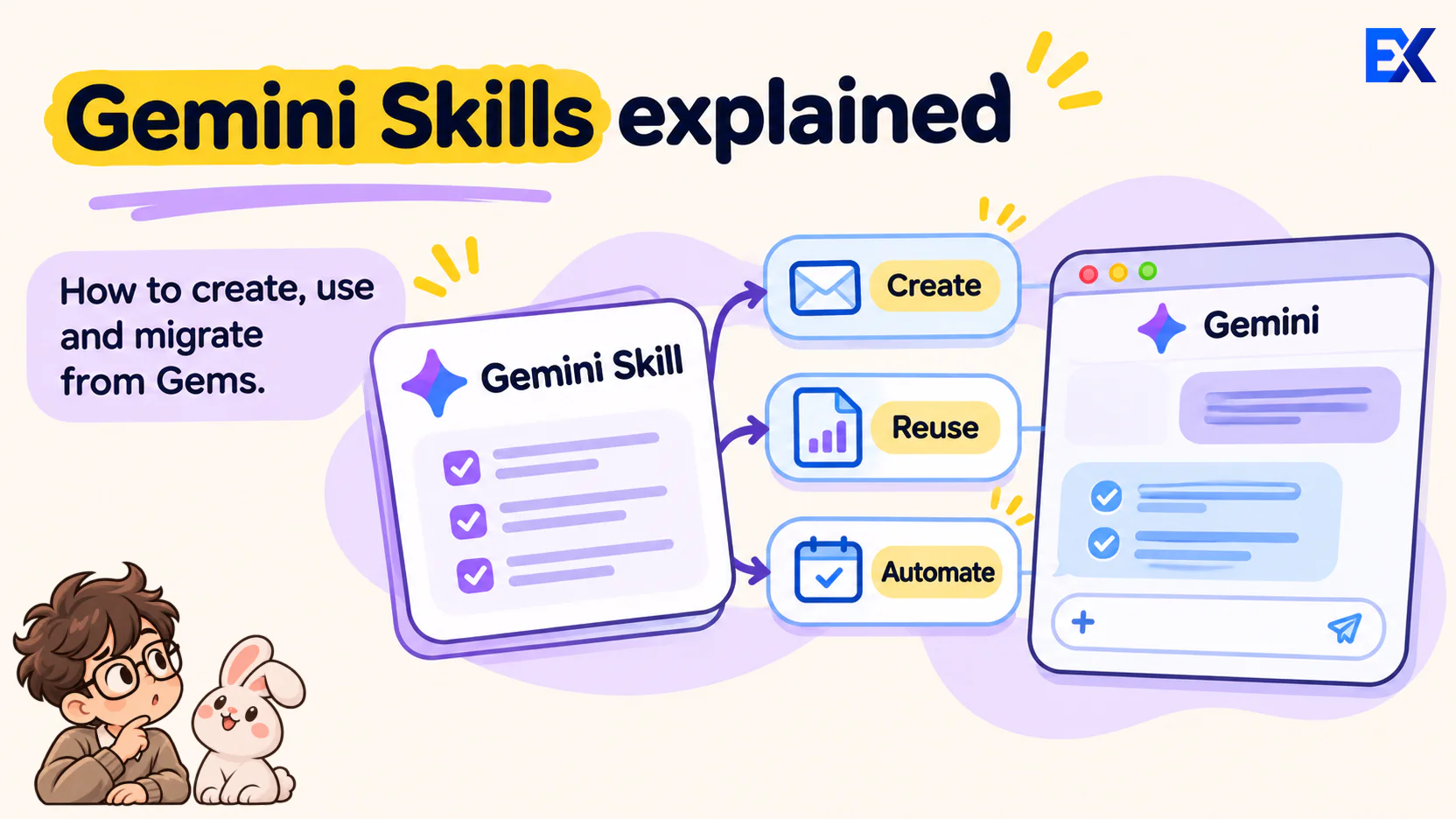
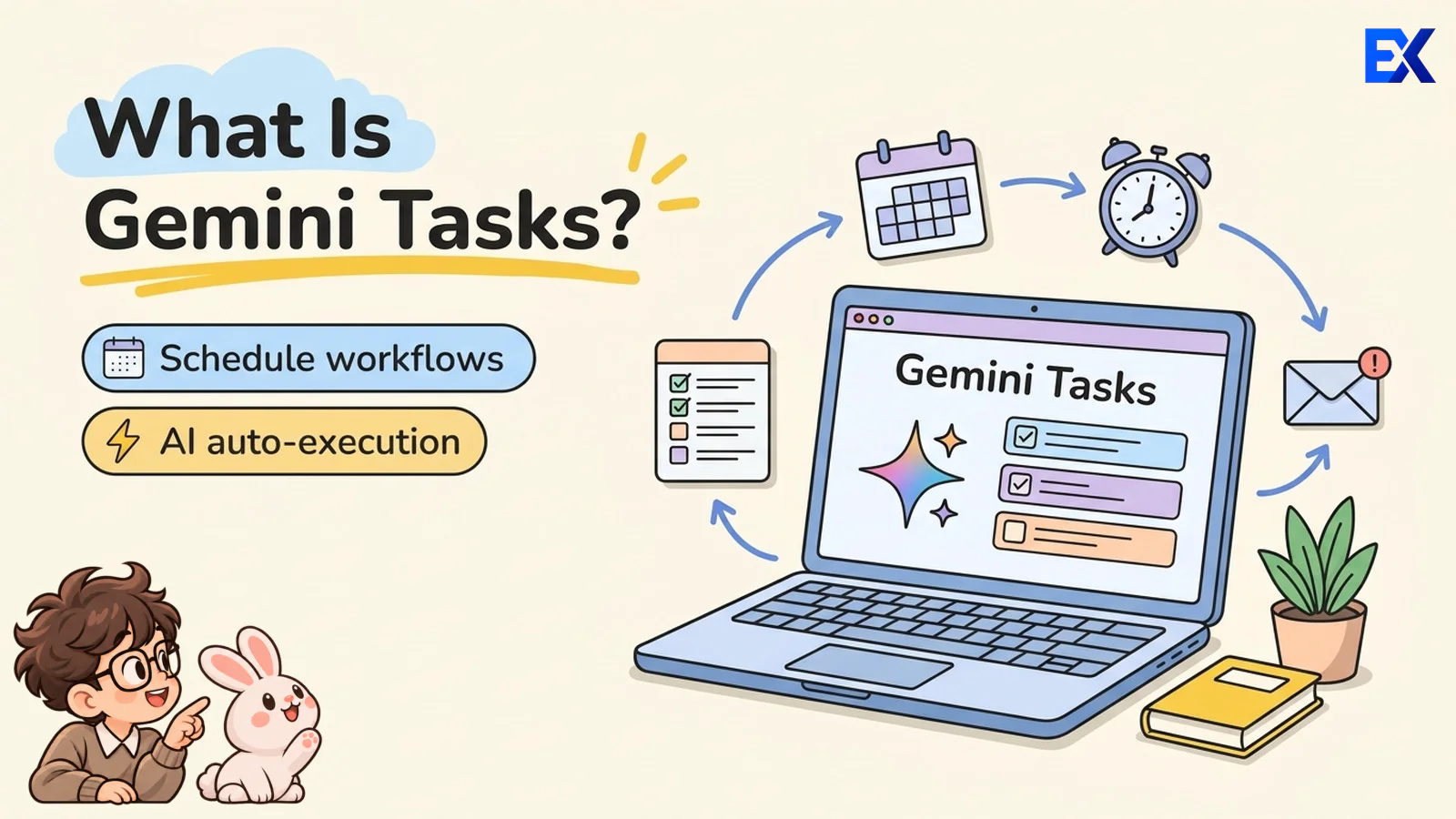
Learn how Tasks in Gemini automates multi-step workflows using tasks, schedules and skills, compare Free/Plus vs Pro/Ultra schedule limits, check regional rollout, and distinguish Tasks from Scheduled Actions.
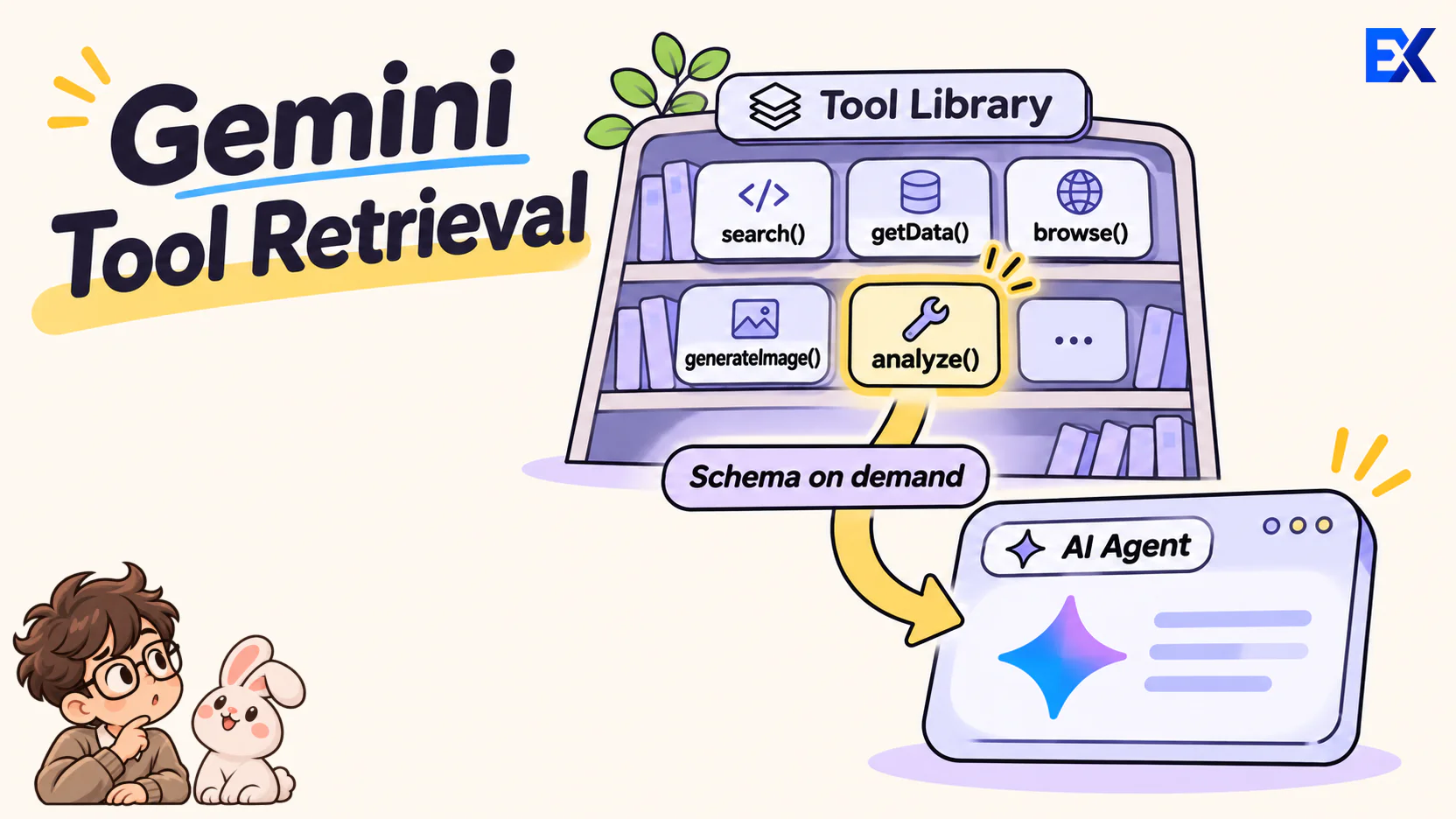
Gemini Tool Retrieval is on-demand tool schema loading in the Gemini Interactions API, launched in preview on November 19, 2026. Rather than loading every function's full JSON schema on each turn, the model sees deferred tools' names and descriptions, then retrieves relevant definitions when needed. This is tool-definition retrieval—not document search, RAG or web search.
How it works
Developers add {"type":"tool_search"} and mark infrequently used tools with "defer_loading":true. Gemini selects relevant tools, the API loads their schemas, and the model emits a function_call. Inspect tool_search_call, tool_search_result, and function_call in interaction.steps. Backend authorization is still required before execution.
Illustrative diagram of Gemini Tool Retrieval and MCP integration
Python setup
This is an illustrative configuration based on Google's release, not an executed benchmark.
python
from google import genai
client = genai.Client()
tools = [
  {"type": "tool_search"},
  {"type": "function", "name": "issue_refund",
   "description": "Refund a customer order.",
   "defer_loading": True,
   "parameters": {"type": "object",
       "properties": {"order_id": {"type":"string"}, "amount": {"type":"number"}},
       "required": ["order_id","amount"]}}
]
interaction = client.interactions.create(
  model="gemini-4-hydrogen",
  input="Check refund options for order A-1042", tools=tools)
A real refund must pass transaction checks, permissions and appropriate approval; tool discovery alone does not authorize a transaction.
Remote MCP integration
Google supports deferred schemas for remote MCP servers in the Interactions API: set defer_loading:true on an mcp_server entry. A customer support agent can search for shipping-status tools without loading every inventory, billing or account-administration schema. Discovery is not access control.
When to use it
A small collection of tools invoked every turn may not benefit. A large agent library, including dozens of remote MCP functions, is a strong candidate for benchmarking. Leave common tools eager and defer rarely used tools when practical. Compare actual tokens, end-to-end latency, selection errors and outcome quality.
Pricing and limits
Google charges no separate Tool Retrieval feature fee. Standard input/output token charges remain, and a retrieved schema still consumes input tokens. Google states support for Gemini 3.6 and newer, including Gemini 4 models, in the Interactions API. Preview behavior and exact SDK/model availability should be verified before production use.
Security and testing
Use clear names and descriptions, enforce permissions at execution time, log discovery and actual calls, and require approval for payments, refunds or destructive changes. Test ambiguous prompts and overlapping tool capabilities. Recheck authorization even after the correct tool has been selected.
Frequently asked questions
Does it replace function calling? No, it supports discovery and schema loading before function calls.
Do I need a vector database? Not for Google's server-side search; client-side discovery can use a private registry.
Does it always save tokens? No; measure representative workloads.
Is every Gemini model supported? Do not assume so; consult current model and endpoint documentation.
Conclusion
Gemini Tool Retrieval scales tool libraries by loading the right schemas at the right time, while clear tool definitions, performance measurement and security remain essential.