
Google Antigravity 2026: Family Quota Changes – From Individual Account Limits to a Shared Quota Pool
Google has updated Antigravity's quota system, shifting from individual account limits to a shared Family quota pool. Discover the timeline, supporting evidence, and how these changes affect users.
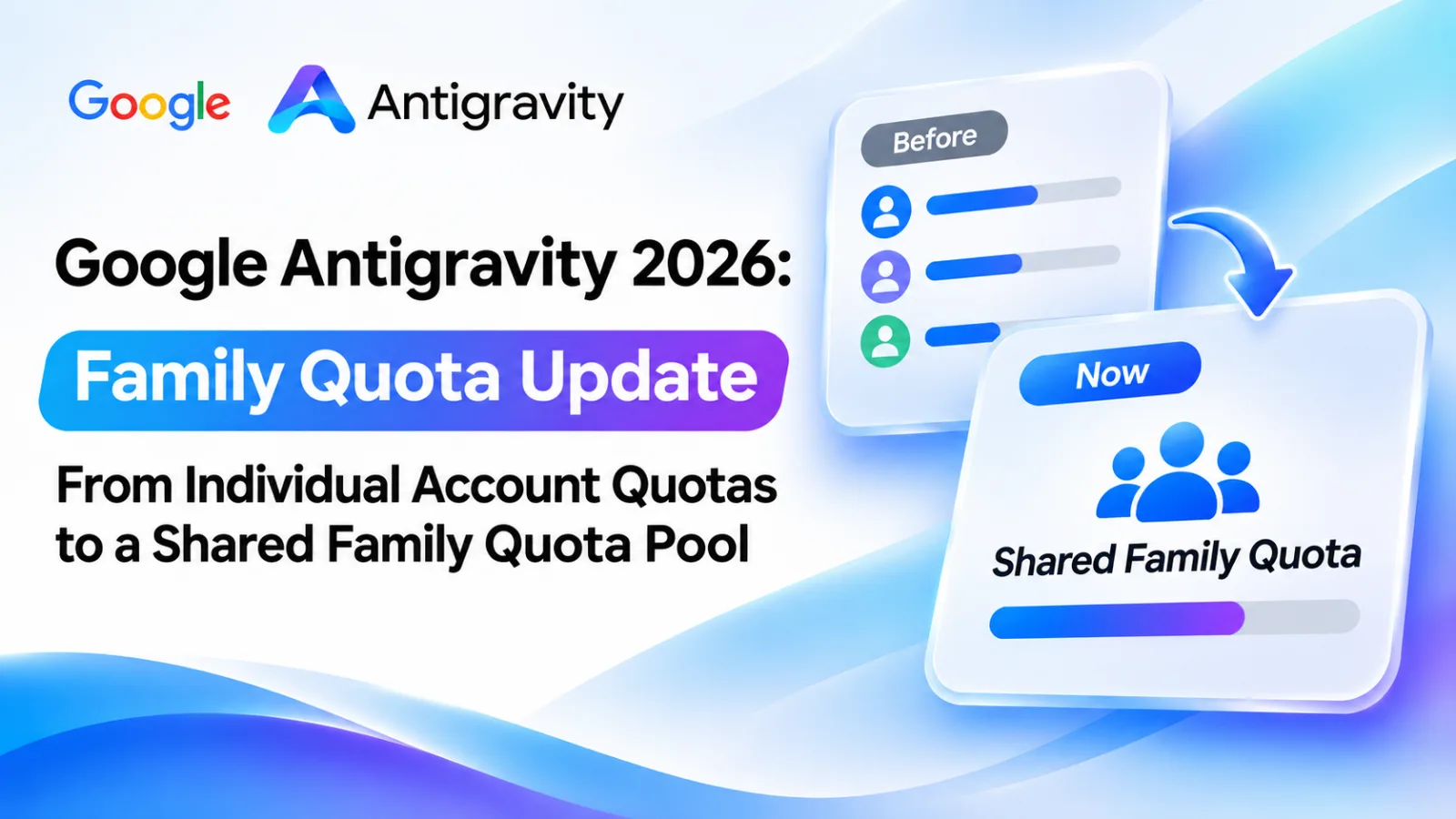
Google Antigravity Family Quota Changes: From Individual Account Limits to a Shared Quota Pool
Updated October 31, 2026 | EmpireX.org
1. How Has Google Antigravity Changed Its Family Quota System?
Google Antigravity is Google's AI-powered development environment, enabling developers to use AI models for coding, task execution, and automated software development workflows.
One of the major concerns among users in 2026 has been the change in how usage quotas are allocated when multiple accounts belong to the same Google Family Group.
Previously, many users reported that each Family member had independent Antigravity usage limits. However, starting in late April 2026, multiple reports suggested that accounts were beginning to share a single quota pool at the Family Group level.
This means that when one Family member consumes significant AI resources, the available quota for other members may also be affected.
More importantly, shared quotas are not merely a community observation. Google's current Google One support documentation also confirms that Google Antigravity usage limits may be shared across an entire Family Group rather than allocated separately to each member.
2. Timeline of the Quota Changes: Key Dates and Supporting Evidence
To clarify how this change emerged, EmpireX has compiled a timeline of publicly documented events and verifiable sources.
January 16, 2026 – Independent Quotas Were Described in Community Guidance
On the Google AI Developers Forum, in a discussion titled Question regarding Family Sharing: Antigravity access and Token Quotas, a participant explained that Family members could sign in to Antigravity using their own Google accounts and receive independent usage limits.
The response included the following statement:
Each family member receives their own independent set of rate limits.
Source: Google AI Developers Forum, January 16, 2026.
Read the January 16 discussion
This provides evidence that independent quotas were previously described in the support community. However, a forum response should not automatically be treated as an official policy applicable to every account.
April 28, 2026 – Clear Reports of Shared Family Quotas Emerged
On April 28, 2026, a user named GoHard_SGG started a discussion titled:
"[Quota] Shadow-nerfing Family Group Quotas without ANY notice?"
The user reported that accounts belonging to the same Family Group had started sharing quota limits instead of receiving independent allocations.
Several other users in the same discussion reported similar experiences.
Notably, one participant stated that they had contacted Google Help and were told that baseline quotas were shared among Family members.
However, this information was reported by a user describing their interaction with Google Support. It was not an official public announcement from Google.
Source: Google AI Developers Forum, April 28, 2026.
View the original discussion and responses
Important: April 28, 2026, represents a documented date when clear reports of shared quotas appeared. It does not establish that Google rolled out the change to all accounts on that exact date.
May 4, 2026 – Additional Community Reports Confirmed the Change
In a discussion titled Quota pool in family now shared? (not credit), a user named caogiahieu reported that four accounts in the same Family Group had previously maintained separate quotas but were now sharing a common allocation.
Another participant responded that individual baseline limits had previously existed, but those limits were now shared.
Additional reports on May 14–15, 2026, described similar behavior.
Source: Google AI Developers Forum, May 4, 2026.
Read the discussion and community responses
May 19, 2026 – Google Officially Announced Changes to Gemini Model Quotas
On May 19, 2026, the Google Antigravity team published an announcement titled Changes to Antigravity Plans.
Google announced that separate usage limits for Gemini Flash and Gemini Pro models would be consolidated into a shared pool, with consumption calculated according to the corresponding API costs.
This change is different from sharing quotas across Family members.
It is important to distinguish between two separate mechanisms:
- Shared quotas among Family members: Multiple accounts consume resources from a shared Family quota allocation.
- Shared quotas among Gemini models: Multiple Gemini models draw from a common quota budget, with usage calculated according to the applicable cost structure.
Source: Google Antigravity Blog, May 19, 2026.
Read Google's official announcement
3. What Has Google Officially Confirmed About Shared Family Quotas?
In its Google One Help documentation titled Start or stop sharing with your family, Google confirms that usage limits for certain products, including Google Flow and Google Antigravity, are shared across the Family Group rather than assigned individually to every member.
This is the most significant official evidence supporting the shared Family quota mechanism.
Source: Google One Help – Official Google Support Documentation.
View Google's Family Sharing documentation
However, the documentation does not specify an exact implementation date for the shared quota system.
Additionally, a forum response dated October 23, 2026, suggested that weekly quotas were tracked separately for each account. This statement does not align with the Google One Help documentation described above.
Therefore, users should not assume that every quota type, AI model, or Family configuration operates identically.
When unexpected quota behavior occurs, users should verify which quota category is affected and contact Google Support for clarification.
4. How Does a Shared Family Quota Pool Work?
Under a shared quota pool system, multiple Google accounts can consume AI resources from a common allocation assigned to their Family Group.
Consider the following example.
Suppose a Family Group receives an illustrative budget equivalent to 100 quota units during a particular usage cycle:
| Family Member | Quota Consumed |
|---|---|
| Account A | 40 |
| Account B | 30 |
| Account C | 20 |
| Account D | 0 |
| Account E | 0 |
| Total | 90/100 |
In this scenario, only 10 units remain available to the entire group, even though Accounts D and E have not consumed any quota.
These figures are for illustration only and do not represent actual quota allocations published by Google.
The key takeaway is that adding a new account to a Family Group does not necessarily provide that account with a new, independent quota allocation or guarantee access to a fully available usage limit.
5. Why Do Some Antigravity Accounts Run Out of Quota So Quickly?
Several factors can influence AI resource consumption.
First: Usage by Other Family Members
When quotas are shared, members running resource-intensive AI tasks may reduce the remaining quota available to the entire Family Group.
Second: Task Complexity
According to Antigravity's plan documentation, usage limits are related to the actual workload performed by AI agents.
A request involving a large codebase, multiple files, or an extended autonomous workflow may consume considerably more resources than a simple coding request.
Third: Differences in AI Model Costs
Google has announced a shared quota mechanism for Gemini models based on their respective costs.
As a result, resource consumption is not necessarily proportional to the number of prompts submitted by a user.
Fourth: Usage Limits Across Different Time Windows
Antigravity may apply both short-term and weekly usage limits.
The reset of a five-hour quota window does not necessarily mean that the entire weekly allocation has also been restored.
Reference: Google Antigravity Plans
6. How Does This Affect Google AI Pro and Ultra Users?
For customers accessing Google AI Pro or Ultra benefits through Family Sharing, a shared quota mechanism may directly affect their Antigravity experience.
Possible scenarios include:
- A newly added Family member discovers that the available quota is already low.
- A user who has performed few or no tasks encounters a usage limit.
- Multiple Family members running coding workloads simultaneously consume the shared allocation more quickly.
- Users must wait for the quota reset or use an additional paid usage option, where supported.
However, a low remaining quota does not automatically prove that another Family member has consumed it.
Other possible explanations include weekly usage limits, background tasks, model-specific cost calculations, or issues with quota reporting.
7. Recommended Solutions for Frequent Antigravity Users
To manage AI resources more effectively, users should consider the following approaches.
1. Monitor Quotas in Antigravity Settings
Check both five-hour and weekly usage limits instead of relying on a single quota indicator.
2. Coordinate Usage Among Family Members
If a shared quota pool applies, avoid having multiple members run demanding AI tasks simultaneously whenever possible.
3. Choose the Right AI Model for Each Task
Use lighter models for routine work and reserve more powerful reasoning models for tasks that genuinely require them.
4. Manage Family Membership Proactively
For teams with significant AI usage requirements, managing the entire Family Group can make it easier to coordinate resource consumption.
However, having full control over a Family Group does not mean that Google will allocate additional quota to that group.
5. Contact Support When Unexpected Issues Occur
If quota decreases without any clearly identifiable usage, check for background activity and contact Google Support to investigate the issue.
8. Important Information from EmpireX
At EmpireX, we believe customers should clearly understand the distinction between subscription benefits and AI resource usage limits.
Under the applicable service terms, Google may adjust rate limits and quota allocations to manage system capacity.
For Antigravity subscriptions accessed through Family Sharing, the available quota may be affected by the activity of other Family members.
EmpireX therefore recommends checking quota availability before starting extended coding sessions and choosing a subscription and usage arrangement that aligns with individual needs.
EmpireX is committed to providing transparent product information and helping customers verify their subscription benefits.
AI resource limits are managed by Google and may change according to the provider's policies.
9. Conclusion
There is supporting evidence for shared Google Antigravity Family quotas in both Google's official documentation and publicly available community reports.
Key documented milestones include:
- January 16, 2026: A forum response described independent usage limits for individual Family members.
- April 28, 2026: Clear community reports emerged about accounts beginning to share Family-level quotas.
- May 4, 2026: Additional users reported a transition from independent account quotas to shared allocations.
- May 19, 2026: Google announced a separate change involving shared quota calculations across Gemini models.
- Current Google One documentation: Confirms that certain Antigravity usage limits are shared across Family Groups.
The exact date when Google implemented Family-level quota sharing across all accounts has not been independently verified.
Therefore, late April 2026 should be considered a documented period of community reports, rather than an officially confirmed universal rollout date.
EmpireX will continue to reference Google's official documentation and actual service conditions when providing policy updates to customers.
Related Posts
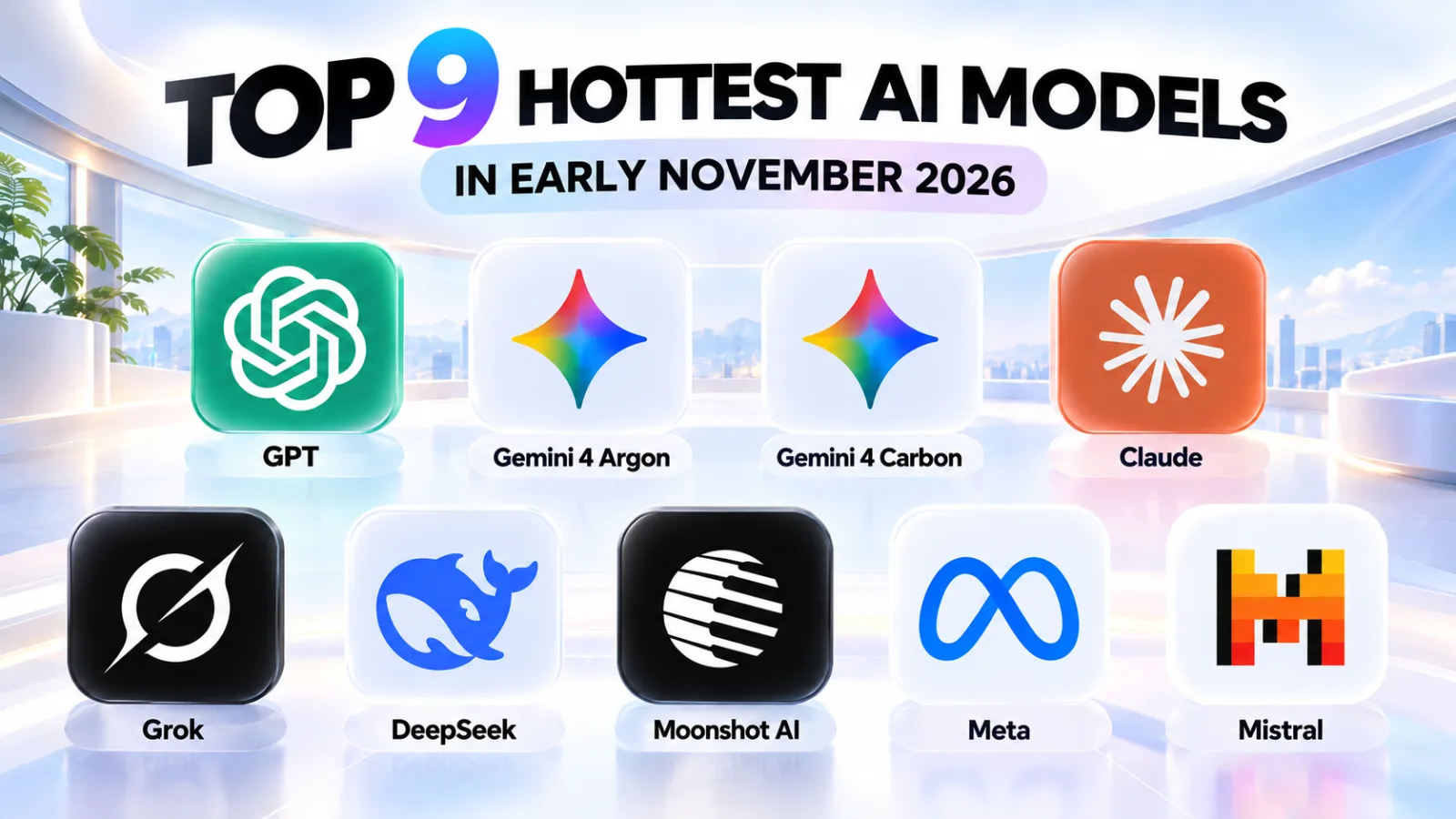
TOP 9 HOTTEST AI MODELS IN EARLY NOVEMBER 2026
✦ TOP 9 AI MODELS TO WATCH IN NOVEMBER 2026 The AI race is heating up! GPT-6, Gemini 4, Claude 5.5, Grok 4.7, and a new generation of powerful AI models are shaping the future of technology. ◆ Which AI models excel at coding, reasoning, and content creation? ◆ Which one is the right choice for your needs? Explore the most exciting AI models of November 2026 with EmpireX! → https://empirex.org/
Google Veo 3: Veo 3.1 Lite 0 Credit Removed from Ultra
Google update removes Veo 3.1 Lite 0 Credit from the Ultra plan. Check out the latest policy announcement and workflow solutions from EmpireX.
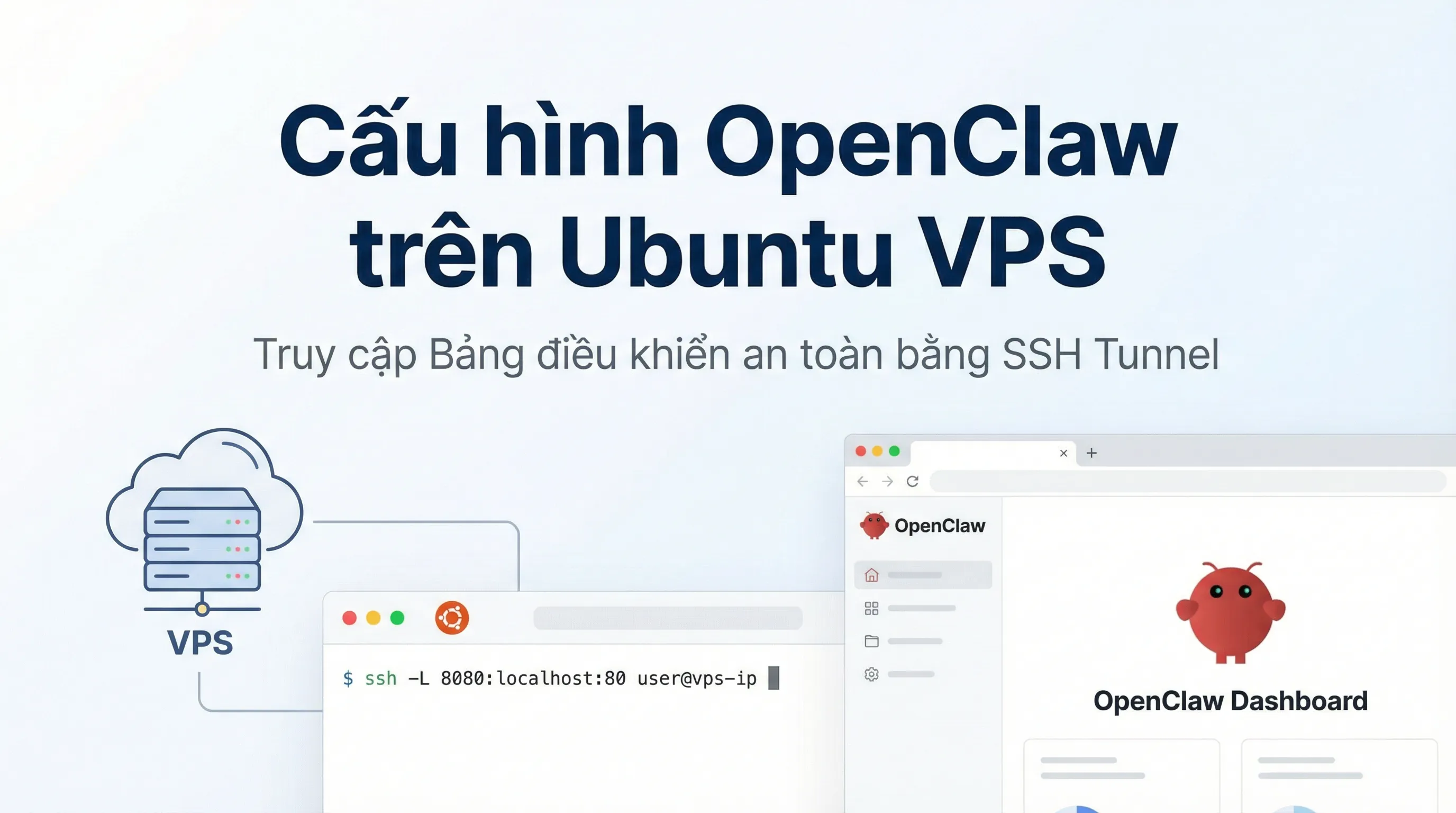
How to Install OpenClaw on Ubuntu VPS: Configuration & Dashboard Access
A step-by-step guide to installing OpenClaw on Ubuntu VPS. Learn how to handle headless authentication and access the Dashboard securely via SSH Tunneling.

Best Budget AI IDEs in 2026: VS Code + Copilot, Cursor, Windsurf, Zed, Replit, Codex and More
A practical roundup of budget-friendly AI IDEs in 2026: features, pricing, pros/cons, and quick recommendations for solo devs, teams, and learners.